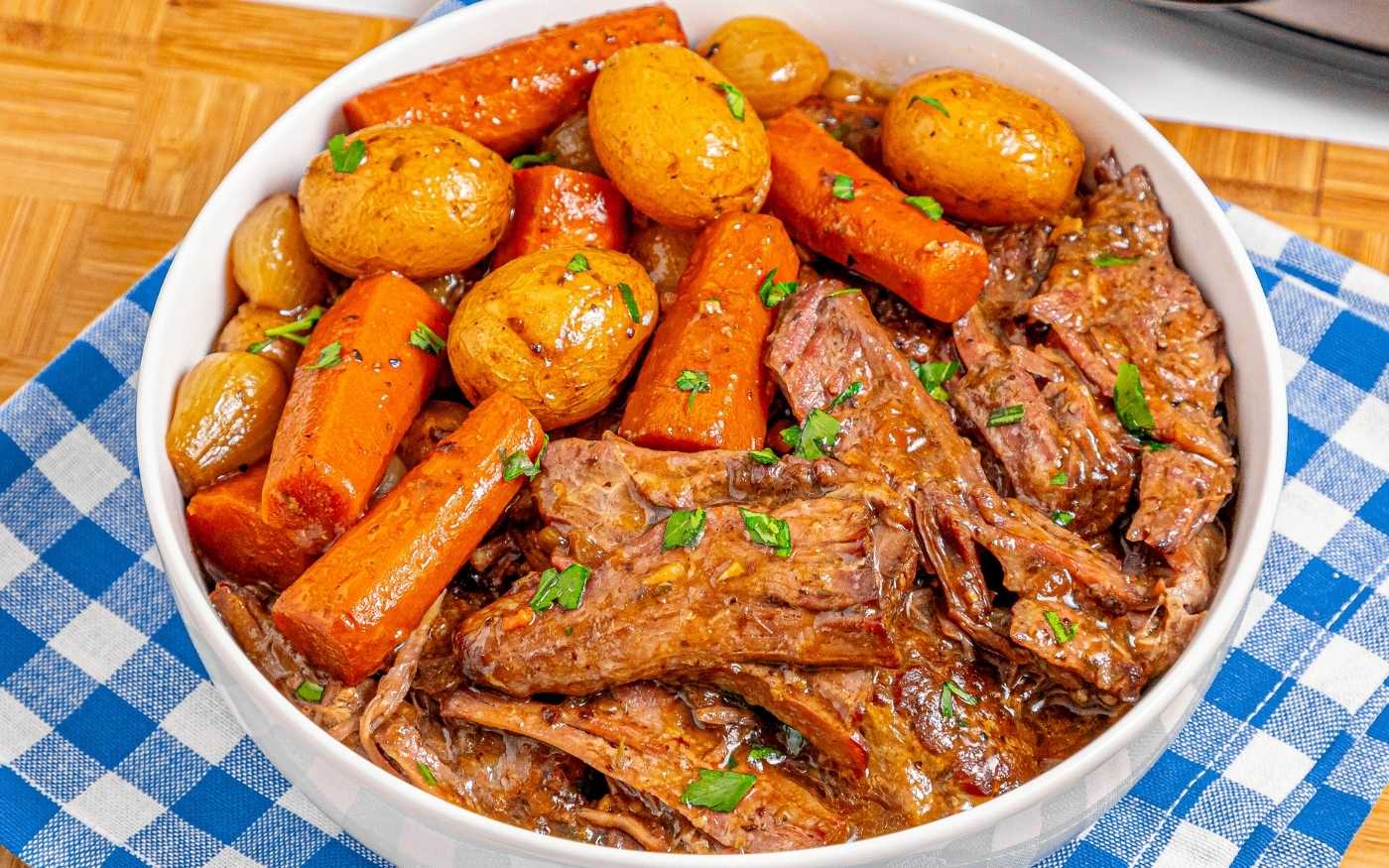
Achieve Deep Flavor: Slow Cooker Pot Roast Tips & Best Cuts
There are few dishes as universally comforting and satisfying as a classic pot roast. The aroma alone can transport you back to cherished Sunday dinners, reminding you of slow-cooked goodness and a home filled with warmth. While traditional pot roasts often conjure images of Dutch ovens simmering on the stove for hours, the modern slow cooker offers a powerful alternative, delivering that same melt-in-your-mouth tenderness and rich, savory flavor with unparalleled convenience. But can a slow cooker pot roast truly rival its stovetop counterpart in terms of deep flavor? Absolutely, with the right techniques and a few expert tips.
Many home cooks, and even seasoned chefs, have been skeptical about whether a crockpot could achieve the profound depth of flavor typically associated with the caramelization that happens in a Dutch oven. Rest assured, years of kitchen testing have proven that a slow cooker pot roast can be just as flavorful, offering that desirable fall-apart beef and hearty vegetables that make for the ultimate family dinner. It’s truly the perfect solution for busy weeknights, chilly evenings, or anytime you crave a complete, from-scratch meal without being tied to the stove.
The Secret to Unbeatable Flavor in Your Slow Cooker Pot Roast
The beauty of the slow cooker lies in its ability to transform tough cuts of meat into incredibly tender meals with minimal effort. However, to elevate a good slow cooker pot roast to a truly great one, we need to actively build flavor rather than just relying on the long cooking process. This is where the magic happens:
- Don't Skip the Sear! This is perhaps the most crucial step for developing deep flavor. Before your beef even touches the slow cooker, pat your chuck roast dry and sear it aggressively on all sides in a hot, heavy-bottomed pan with a little oil. This process, known as the Maillard reaction, creates a rich, complex crust that is packed with flavor and beautiful color, locking in juices and adding an unparalleled depth that simply cannot be achieved by just slow cooking.
- Build a Flavorful Base: Once your meat is seared, don't discard those flavorful browned bits in the pan! Use them to your advantage. Sauté aromatic vegetables like chopped onions, garlic, and even a bit of celery in the same pan, scraping up the fond (the browned bits) from the bottom. This immediately infuses your pot roast with layers of savory goodness. A splash of beef broth or red wine to deglaze the pan and incorporate all those delectable remnants before adding them to the slow cooker will take your sauce to the next level.
- Layer Your Liquids and Seasonings: While the slow cooker is forgiving, thoughtful liquid choices and seasoning are vital. Use a good quality beef broth or stock as your primary liquid. Consider adding a touch of tomato paste for umami, a splash of Worcestershire sauce for complexity, or even a tablespoon of Dijon mustard for a subtle tang. Fresh herbs like rosemary, thyme, and bay leaves are non-negotiable for their earthy, aromatic contributions. Don't be shy with salt and freshly ground black pepper early in the process.
Choosing the Perfect Cut: Why Chuck Roast Reigns Supreme
The success of a truly fall-apart tender slow cooker pot roast hinges significantly on selecting the right cut of beef. While various cuts can be used, one consistently outperforms the rest:
- Boneless Chuck Roast: Without a doubt, the chuck roast is the reigning champion for pot roast. It comes from the shoulder of the cow, an area that gets a lot of exercise, making it initially tough. However, this toughness is its secret weapon. Chuck roast is beautifully marbled with intramuscular fat and contains a significant amount of connective tissue. When subjected to long, slow cooking, this fat renders, basting the meat from within, and the connective tissue breaks down into rich, luscious gelatin. The result is an incredibly moist, succulent, and truly fall-apart tender roast that's packed with flavor.
- Alternative Cuts: While chuck roast is our top recommendation, other cuts can also yield delicious results, albeit with slight textural differences. These include:
- Bottom Round Roast: A leaner cut, which can be tender but may not achieve the same "shredability" or juiciness as chuck. It benefits from slightly shorter cooking times or being cut into smaller pieces.
- Rump Roast: Also lean and works well for slicing once cooked, but may not be as forgiving as chuck.
- Brisket: Known for its tenderness when slow-cooked, but traditionally has a distinct fibrous texture that many associate with BBQ. It can make an excellent pot roast, though it's often more expensive.
- Boneless Beef Shoulder Roast: Very similar to chuck roast in composition and results, making it an excellent substitute if chuck isn't available.
Beyond the Beef: Essential Ingredients for a Complete Meal
A pot roast isn't just about the meat; it's a symphony of flavors and textures, with hearty vegetables playing a crucial supporting role. These aren't just fillers; they absorb the rich cooking liquid and become tender, savory additions to your meal.
- The Classic Trio: Potatoes, Carrots, and Onions. These are the staples for a reason.
- Potatoes: Yukon Gold, Baby Gold, and Red Potatoes are excellent choices as they tend to hold their shape well during the long cooking process while still becoming wonderfully tender. Russet potatoes also work, yielding a slightly fluffier texture and breaking down a bit more, which some prefer. Peeling the potatoes is optional; many leave the skins on for added nutrients and rustic appeal.
- Carrots: Sweet and earthy, carrots become incredibly tender and flavorful. Cut them into larger chunks so they don't turn to mush.
- Onions: Quartered or thickly sliced onions melt into the sauce, contributing a sweet, savory depth.
- Liquid Gold: Beyond beef broth, consider adding a splash of red wine for a deeper, more sophisticated flavor profile, or even a can of diced tomatoes (undrained) for brightness and acidity. The amount of liquid needed is often less than you might think, as the meat and vegetables release their own moisture during the long cooking process.
- Aromatics and Herbs: Don't underestimate the power of fresh ingredients. Whole garlic cloves, bay leaves, fresh sprigs of rosemary, and thyme are fundamental for building layers of aromatic flavor that penetrate both the meat and vegetables.
Mastering Your Crockpot: Tips for Success and Delicious Gravy
Once you've prepped your ingredients, the slow cooker truly does the rest. It's a "set-it-and-forget-it" dinner that promises a delicious reward with minimal fuss. However, a few tips can ensure your slow cooker pot roast is nothing short of perfection.
- Crockpot Size Matters: A 6-quart slow cooker is generally sufficient for a standard pot roast recipe serving 4-6 people, but it will be quite full with the meat and vegetables. If you have a 7-quart (or larger) model, it offers a little more "wiggle room," especially useful if you're adding more vegetables or a larger cut of meat. The vegetables will cook down significantly, creating more space as the cooking progresses.
- Cook Low and Slow: The key to fall-apart tenderness is cooking on the low setting for a longer duration (typically 6-8 hours). While cooking on high (3-4 hours) is possible, the low setting allows the connective tissues to break down more gradually, resulting in a more tender and flavorful roast. The roast is done when it can be easily shredded with a fork.
- Making the Perfect Gravy: The delicious juices left in the slow cooker after the roast is cooked are liquid gold. To turn this flavorful liquid into a luscious gravy, simply remove the roast and vegetables from the crockpot. Strain the liquid into a saucepan, skim off any excess fat, and bring to a simmer. Create a slurry by whisking together a tablespoon or two of cornstarch or flour with an equal amount of cold water, then slowly whisk it into the simmering liquid until it thickens to your desired consistency. Season to taste.
- Leftovers Are a Treat: This dish is often even better the next day! Store leftovers in an airtight container in the refrigerator for up to 5 days, or freeze them in freezer-safe containers for up to 3 months. Leftover pot roast is fantastic repurposed into sandwiches, tacos, or even a hearty shepherd's pie.
A slow cooker pot roast truly embodies the spirit of comfort food – an old-fashioned meal that brings people together, fills the house with incredible aromas, and delivers an intensely satisfying experience. With these tips and the right cuts, you're well on your way to achieving a deep, rich flavor and a fall-apart tenderness that will make this dish a cherished favorite in your home.
